What Travel Insurance Really Covers and Why It Matters More Than You Think

A delayed flight is annoying. A missed cruise departure, an overseas hospital bill, or a parent getting sick the week before a nonrefundable trip can be much more than annoying. It can turn a vacation into a financial mess.
That is where travel insurance gets misunderstood. Many travelers picture it as a refund button for bad luck. It is not that simple. A policy has limits, exclusions, paperwork rules, and covered reasons. Still, when the right plan matches the right trip, it can protect against some of the most expensive and stressful problems travelers face.
This guide breaks down what travel insurance usually covers, what it usually does not, and how to decide whether it is worth buying before the next trip.

Travel insurance protects against specific risks, not every inconvenience
The first thing to know is that travel insurance is a contract. It pays when something happens that the policy says it covers. It does not pay simply because a trip went badly or felt unfair.
That distinction matters.
If a hurricane closes the airport and forces a delay, a policy may help with hotel costs, meals, or unused prepaid trip costs, depending on the plan. If the weather forecast looks rainy and the beach trip no longer sounds fun, standard coverage will not reimburse the trip.
Most plans are built around a few major categories:
Trip cancellation
Trip interruption
Emergency medical care
Emergency medical evacuation
Baggage loss, theft, or delay
Travel delays and missed connections
Certain extra benefits, depending on the policy
The details vary by insurer and plan level. A basic policy may offer modest reimbursement for delays and baggage. A higher-level policy may include stronger medical limits, rental car coverage, or broader cancellation benefits.
The key is to read the policy certificate, not just the sales page. The summary shows the highlight reel. The certificate explains what counts, what does not, and what proof the insurer will ask for.
Trip cancellation and interruption coverage are often the main reason people buy it
Trip cancellation coverage applies before the trip starts. Trip interruption coverage applies after the trip begins. Both protect prepaid, nonrefundable costs when a covered event forces a traveler to cancel or cut the trip short.
Common covered reasons often include:
A serious illness or injury affecting the traveler, a traveling companion, or a close family member
A death in the family
Severe weather that disrupts travel
Jury duty or certain legal obligations
A home becoming uninhabitable because of fire, flood, or another covered event
A common carrier delay that meets the policy’s time requirement
Picture a family that books flights, a resort stay, and prepaid tours months in advance. Two days before departure, one traveler develops a medical issue and a doctor advises against travel. If the reason qualifies and the paperwork is in order, trip cancellation coverage may reimburse the unused nonrefundable costs.
Trip interruption can be even more valuable. Say someone is halfway through a trip when a close family member at home has a medical emergency. A policy may help cover the unused part of the trip and the extra cost to return home early.
The word covered does a lot of work here. If the reason is not listed in the policy, standard cancellation coverage may not apply.
Cancel for any reason coverage is different
Some plans offer a `Cancel For Any Reason` upgrade, often called CFAR. This is not the same as standard trip cancellation.
CFAR usually costs more, must be purchased soon after the first trip payment, and may only reimburse a percentage of prepaid costs. It also often requires cancellation at least a certain number of days before departure.
The benefit is flexibility. If the concern is not covered by a standard reason, CFAR can provide partial reimbursement. It can be useful for expensive trips with uncertainty, but it is not automatic and not available with every plan.

Medical coverage can matter most when traveling far from home
Many travelers focus on reimbursement for flights and hotels. Medical coverage may be the bigger issue.
Health insurance that works well at home may offer limited coverage outside the United States. Some plans do not cover international care in the same way they cover domestic care. Medicare generally does not cover medical care outside the U.S., except in limited situations.
Travel medical coverage can help pay for emergency treatment during a trip. That may include hospital care, doctor visits, ambulance services, and certain medications required because of an unexpected illness or injury.
This can matter even on a simple trip. A fall on wet stairs, appendicitis, food poisoning, a bad infection, or a scooter accident can happen anywhere. In another country, payment rules can differ from what travelers expect at home. Some hospitals may require payment or proof of coverage before discharge.
Travel medical insurance does not replace regular health insurance. It is designed for emergencies while traveling. It also comes with exclusions and limits.
Emergency evacuation is not the same as an ambulance ride
Emergency medical evacuation coverage is one of the most overlooked parts of a policy. It can help pay to transport a traveler to a suitable medical facility if local care is not adequate. In serious cases, it may cover transportation back to the United States when medically necessary.
This coverage can be especially important for:
Remote destinations
Cruises
Adventure trips
Rural areas
Countries where specialized care may be far away
Medical evacuation can be extremely expensive because it may involve specialized aircraft, medical staff, and coordination across borders. Even travelers who are comfortable self-insuring small losses may not want to take on that kind of risk.
The policy decides when evacuation is covered. Usually, the insurer or assistance provider must approve and arrange transportation. Booking an expensive flight home without approval may create problems with the claim.
Pre-existing conditions need special attention
Pre-existing condition rules can be confusing. A traveler may assume that a stable condition is irrelevant, but the policy may use a lookback period to decide whether a recent symptom, medication change, diagnosis, or treatment affects coverage.
Some plans offer a pre-existing condition waiver. These waivers often require buying the policy within a set time after the first trip deposit, insuring the full trip cost, and being medically able to travel when buying the plan.
Anyone with a recent diagnosis, ongoing treatment, or a condition that could affect travel should read this part carefully before buying.
This article is for general information only and is not insurance, legal, medical, or financial advice. Policy terms vary, and the actual policy language controls coverage.
Baggage and delay benefits help with smaller but real problems
Lost luggage may not be as serious as a medical emergency, but it can still disrupt a trip. Baggage coverage can reimburse covered personal items if bags are lost, stolen, or damaged. Baggage delay coverage can help pay for essentials when checked bags arrive late.
Think of arriving in Denver for a ski trip while the airline sends the checked bag to another city. Renting or buying basic clothing, toiletries, and cold-weather essentials can add up quickly. Baggage delay benefits may help with those costs after the waiting period in the policy.
Travel delay coverage works in a similar way. If a covered delay lasts long enough, the policy may reimburse meals, lodging, local transportation, and other reasonable expenses up to the policy limit.
This coverage can help when:
Weather strands travelers overnight
Mechanical issues delay a flight
A missed connection forces an unplanned hotel stay
A late flight causes travelers to miss part of a prepaid itinerary
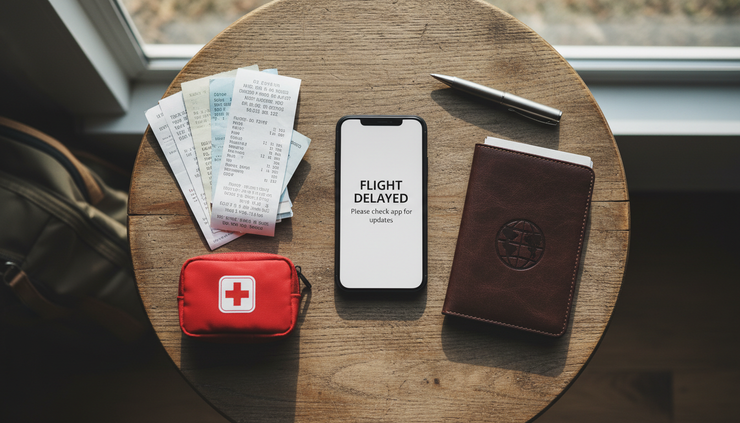
Keep receipts. Insurers usually require proof of the delay and proof of expenses. An airline email, delay notice, hotel bill, meal receipt, and baggage report can all matter.

Personal belongings are not covered without limits
Baggage coverage has caps. It may limit reimbursement per item, per category, and per policy. Jewelry, cameras, laptops, sports gear, and other valuable items may have lower limits than travelers expect.
Policies also exclude certain situations. Leaving a bag unattended in a public place, packing fragile items poorly, or failing to file a police or airline report may lead to denial.
For expensive gear, homeowners insurance, renters insurance, or a separate valuable items policy may be a better fit. Travel insurance can help, but it is not a blank check for every lost item.
What travel insurance usually does not cover
A smart purchase starts with knowing the limits. The most common disappointments happen when travelers assume a policy covers every possible reason to cancel, every accident, or every mistake.
Standard travel insurance usually does not cover:
Changing your mind
Fear of travel without a covered event
Bad weather that does not disrupt the trip under the policy terms
A known event that was public before the policy was purchased
Routine medical care or elective procedures
Injuries from excluded adventure activities
Losses tied to intoxication or illegal acts
Unattended belongings
Costs without receipts or proof
Problems caused by failing to have required travel documents
Known events deserve special attention. Once a storm is named, a strike is announced, or a major disruption becomes public, it may be too late to buy coverage for that event. Insurance is meant for unexpected problems, not known losses.
Adventure travel also needs a closer look. Hiking on marked trails may be covered by some plans. Mountaineering, scuba diving, backcountry skiing, or motorbike riding may be excluded or require a special policy. The difference can be significant.
Cruises bring their own issues. A missed port may not qualify for reimbursement unless the policy has a specific benefit. Seasickness may be treated differently from a documented medical emergency. A missed embarkation due to flight delay may be covered only if the delay meets the plan’s rules.
When travel insurance is worth it and when it may not be
Travel insurance makes the most sense when the potential loss would hurt.
A weekend road trip with refundable hotel reservations may not need much coverage. An expensive international trip with prepaid tours, multiple flights, and older relatives at home is a different story.
Travelers are more likely to benefit from coverage when a trip includes:
Nonrefundable flights, lodging, tours, or cruises
International travel
Remote destinations
Medical concerns
Expensive prepaid activities
Tight connections
A large group traveling together
Peak-season weather risk
The decision is partly financial and partly practical. Some people can absorb losing a prepaid hotel night. Fewer people are comfortable with a major overseas medical bill or emergency evacuation.
A simple way to think about it is to separate small losses from catastrophic ones. If the question is whether insurance will cover a delayed suitcase, the stakes may be manageable. If the question is what happens after a serious injury abroad, the answer matters a lot more.
Credit card coverage can help, but it may not be enough
Many travel credit cards include some travel protections. These can be useful, especially for trip delay, baggage delay, rental car damage, or limited cancellation benefits.
But credit card coverage often has conditions. The trip may need to be paid with that card. Coverage limits may be lower. Medical coverage may be limited or absent. Family members may or may not be covered in the way travelers expect.
Before relying on card benefits, read the guide to benefits. Compare it with a standalone policy. Two pages of marketing copy cannot answer the details that matter during a claim.
How to choose and use a policy wisely
Buying travel insurance should not take all day, but it deserves more than clicking the cheapest option at checkout.
Start with the trip itself. Add up prepaid, nonrefundable costs. Review cancellation terms for flights, hotels, tours, rentals, and cruises. Refundable costs may not need to be insured.
Next, look at medical exposure. For domestic trips, existing health insurance may provide enough medical protection, though cancellation and delay benefits may still help. For international trips, emergency medical and evacuation limits deserve close attention.
Then compare policies based on the risks that matter most:
Coverage area | What to check |
Trip cancellation | Covered reasons, reimbursement limits, CFAR availability |
Emergency medical | Coverage limit, exclusions, pre-existing condition rules |
Evacuation | Medical transport limits and approval requirements |
Delays | Required delay time and daily reimbursement cap |
Baggage | Per-item limits, excluded items, required reports |
Claims | Documentation rules and filing deadlines |
Timing matters. Buying soon after the first trip deposit may unlock benefits that are not available later, such as certain pre-existing condition waivers or CFAR upgrades. Waiting until trouble appears can leave gaps.
When something goes wrong during the trip, document it right away. Ask airlines for written delay notices. Get medical records and receipts. File police reports for theft. Save emails, invoices, and proof of payment. Contact the assistance number if the situation involves medical care, evacuation, or major changes.
A claim is easier when the paper trail is clear.
The real value is confidence when plans fall apart
Travel insurance is not exciting. It is one of those purchases everyone hopes to never use. But travel has too many moving parts to assume everything will go smoothly: airlines, weather, health, luggage, family emergencies, rental cars, cruise schedules, and border rules.
The right policy cannot prevent a disruption. It can give travelers a path through it. That may mean reimbursement for prepaid losses, help finding medical care abroad, payment for an unplanned hotel night, or coordination during a serious emergency.
The best approach is simple. Match coverage to the trip, read the exclusions, buy early when possible, and keep records. A cheap policy with the wrong coverage is not a bargain. A well-matched policy can turn a major travel problem into something manageable.
That is the point of travel insurance. It protects against the problems that are hard to predict and expensive to fix alone.
Protect the trip you’ve invested in. Have questions about protecting your trip? Contact me at Shorescape Travel for guidance, or click below to view coverage options and get a quote through


Comments